Since I’ve decided to look more into voyeurism, it made sense to look at some artists that explore the subject of voyeurism.
I looked at:
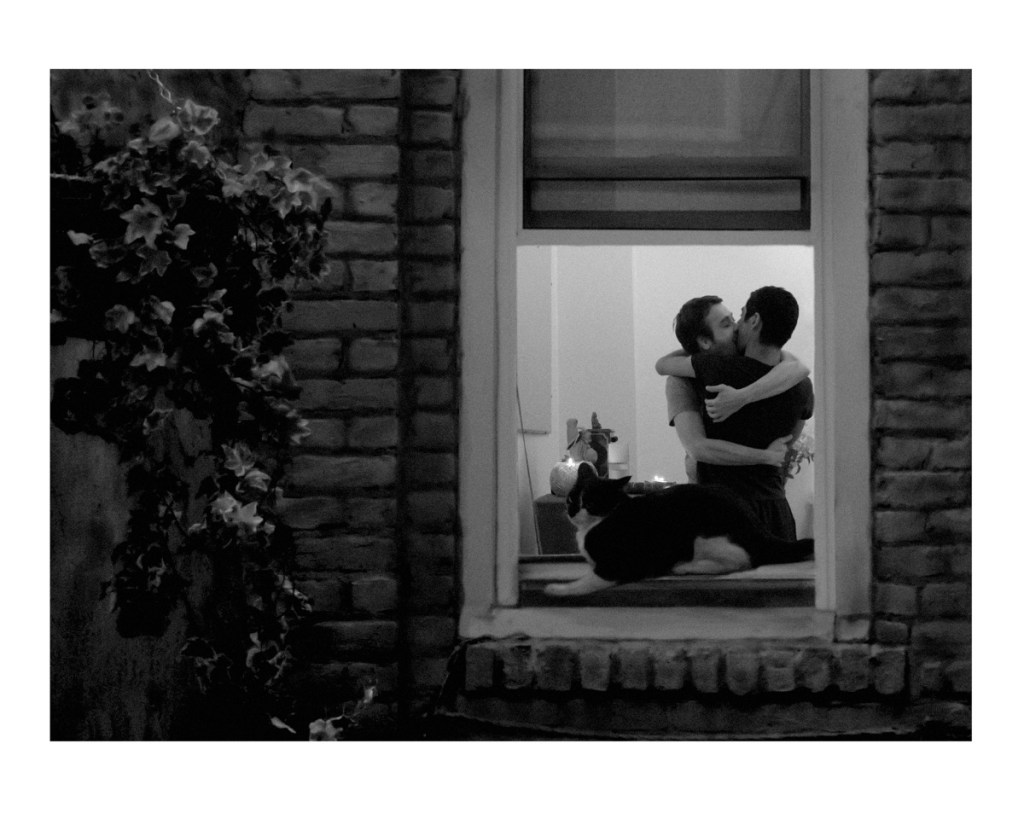
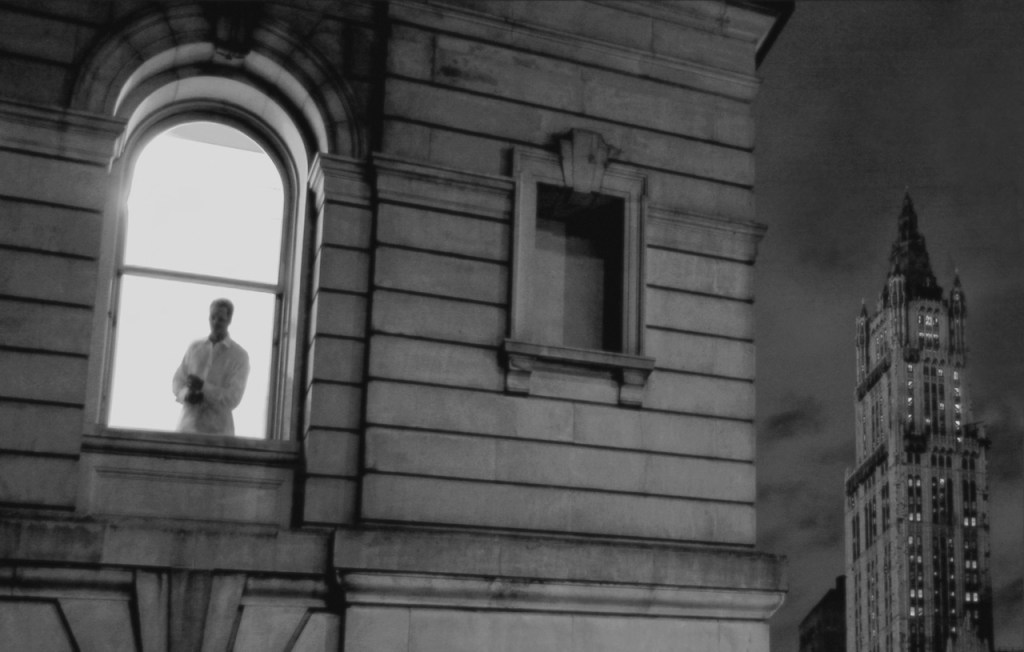
Yasmin Chatila’s video/photography project Stolen Moments

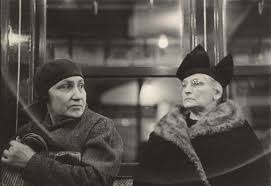
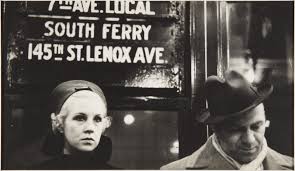
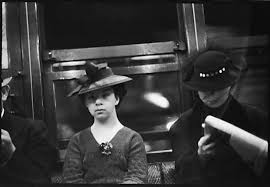
Walker Evans’s photography series Subway Passengers
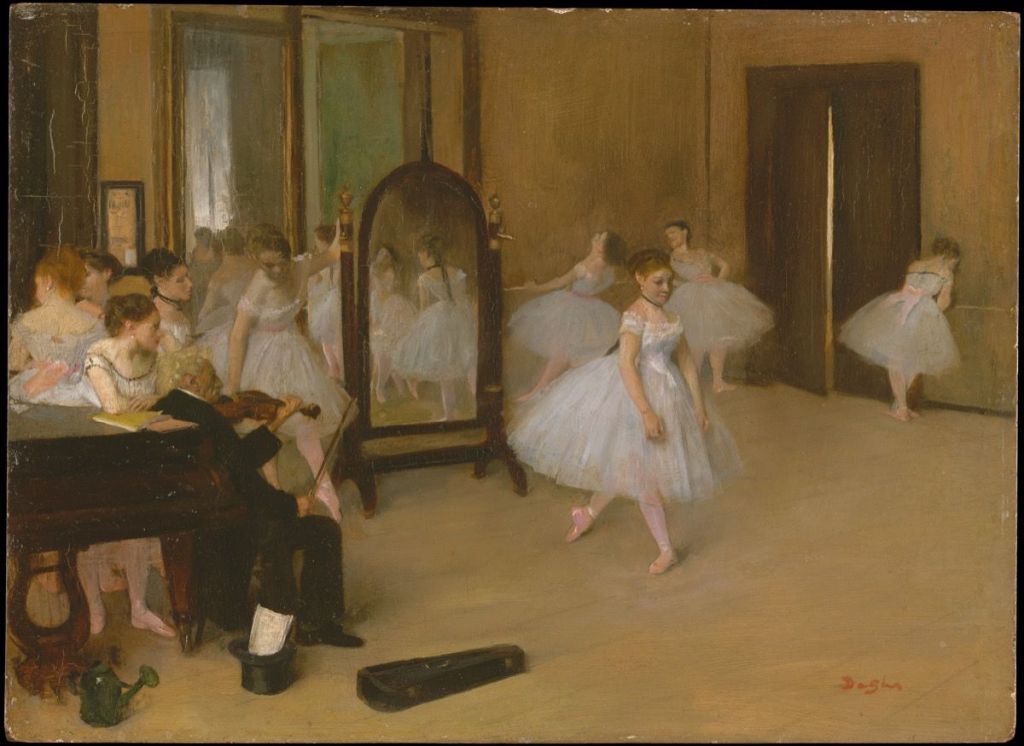
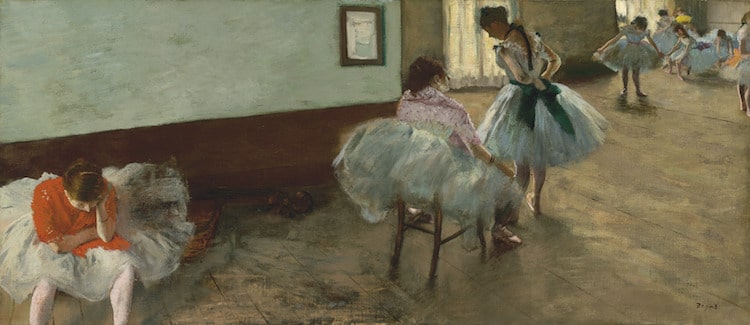
Edgar Degas’s Ballerinas
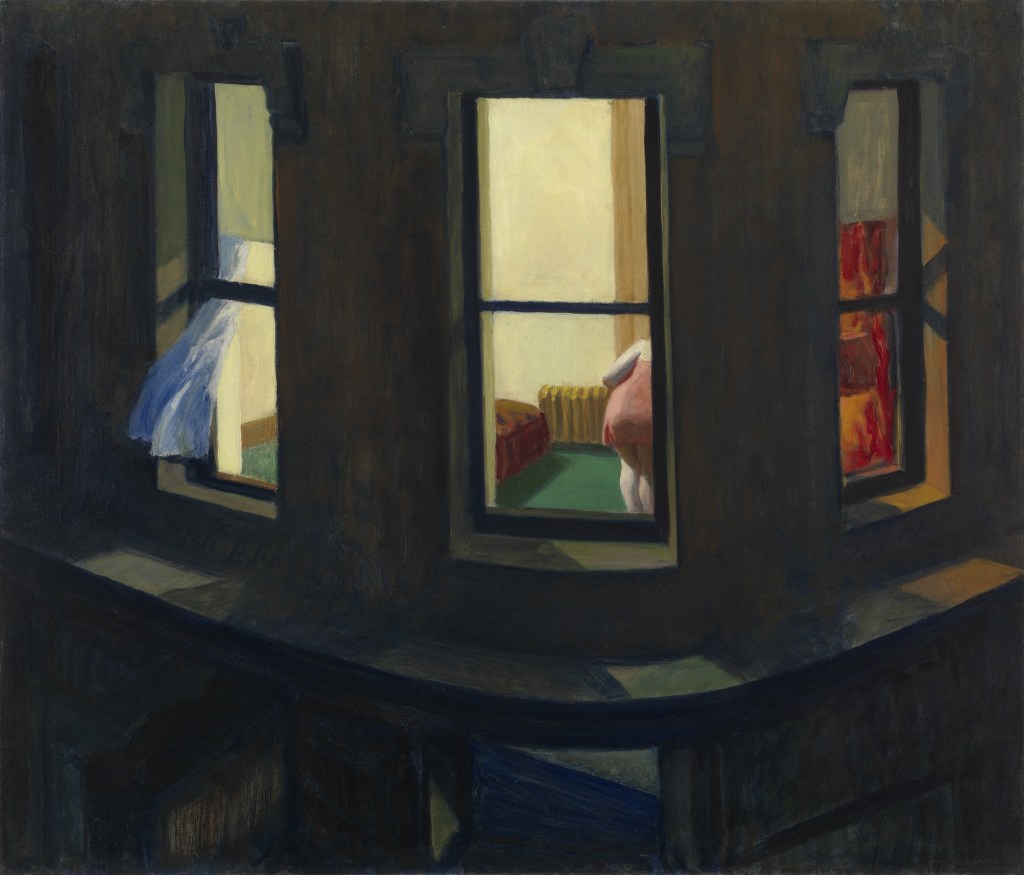
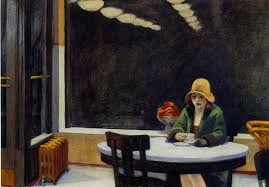
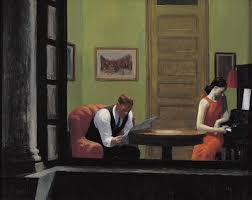
Edward Hopper
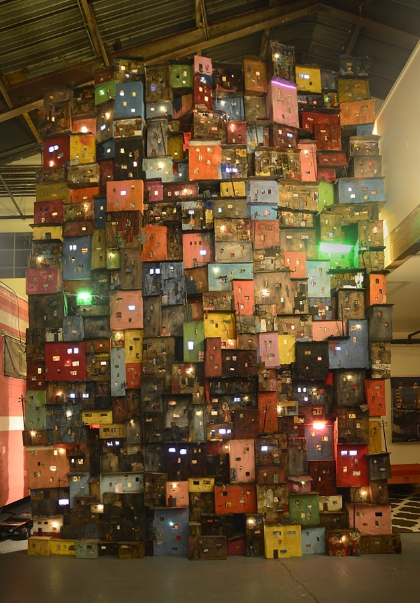
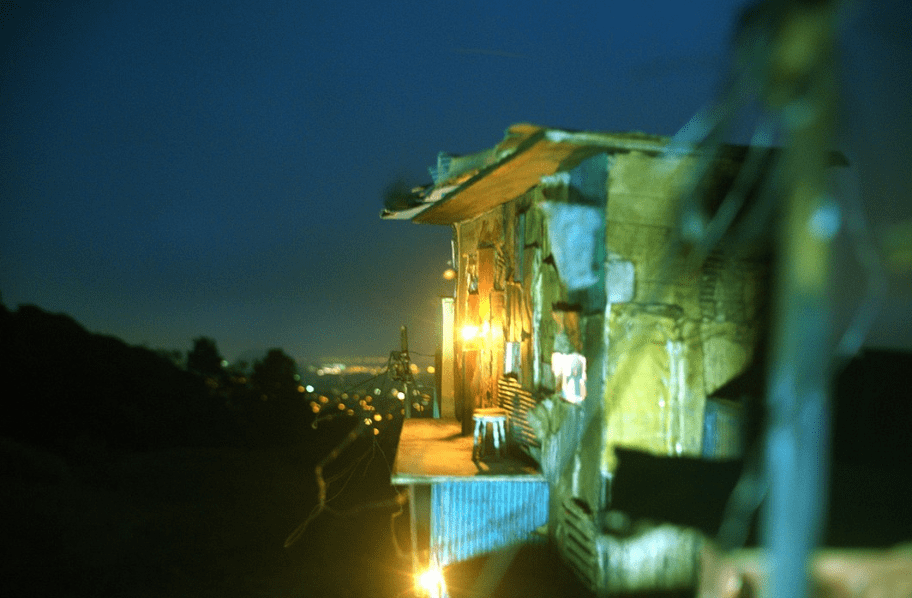
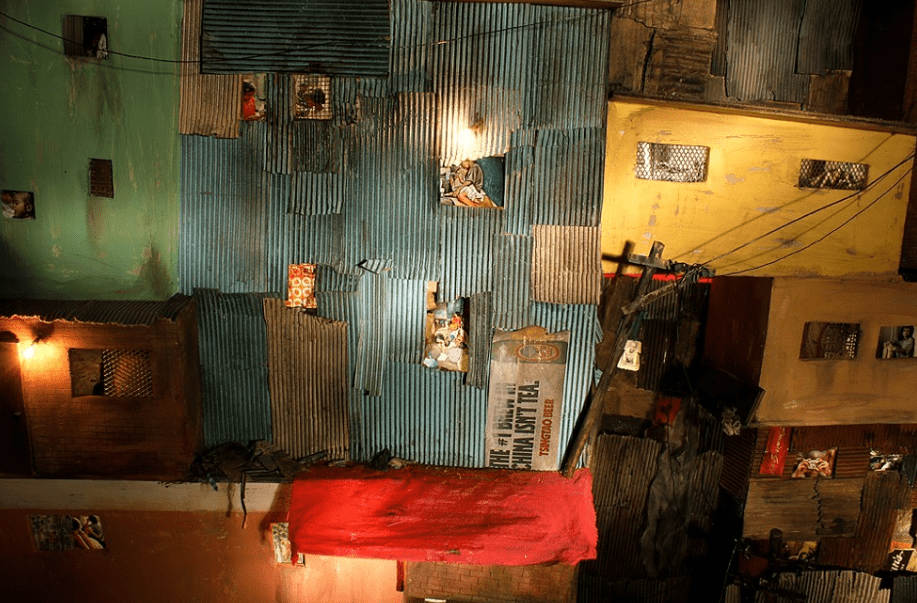
Tracey Snelling’s project One Thousand Shacks
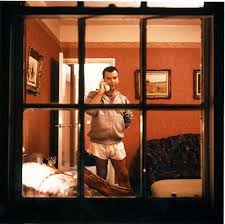
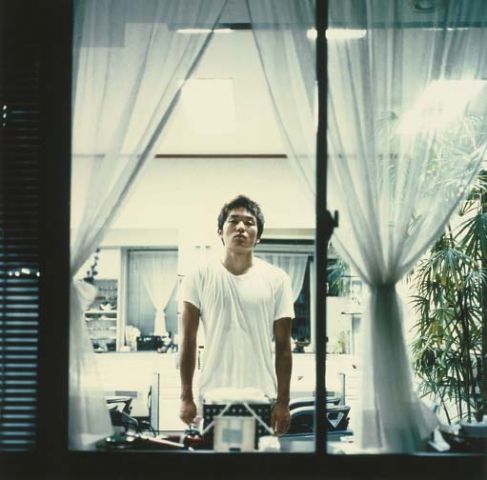
Shizuka Yokomizo’s photography series Dear Stranger
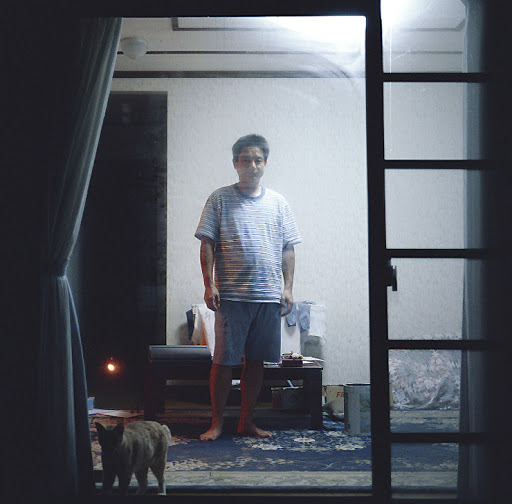
One particular creative that I was excited to learn about is Arne Svenson.
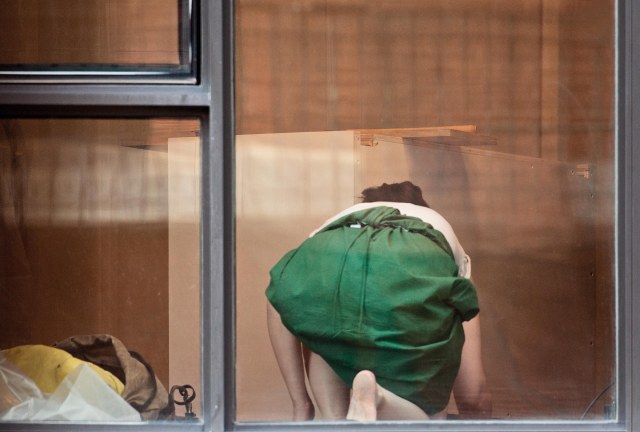
Svenson’s series ‘The Neighbours’ is a gorgeous collection of painterly photographs. Using a telephoto lens, Svenson looked in on his neighbours in the building opposite, zooming in on their lives, and took photographs of them in their homes.
While the photos themselves are beautiful, what interested more about this particular photographic series is that several of his photograph subjects went on to file lawsuits against him. They were outraged to discover that they were not only photographed without permission but that Svenson was selling these photographs.
These cases against Svenson were eventually dismissed and it was this fact that really brought to mind a lot of questions I wanted to explore. Despite Svenson blatantly violating these people’s right to privacy, the lawsuits were dismissed on the grounds that Svenson’s rights as an artist took priority. This really made me think about the implications of voyeurism in art. Does the fact that a voyeur is an artist make the act of voyeurism any less disturbing? Why is some voyeurism good while other voyeurism is bad?
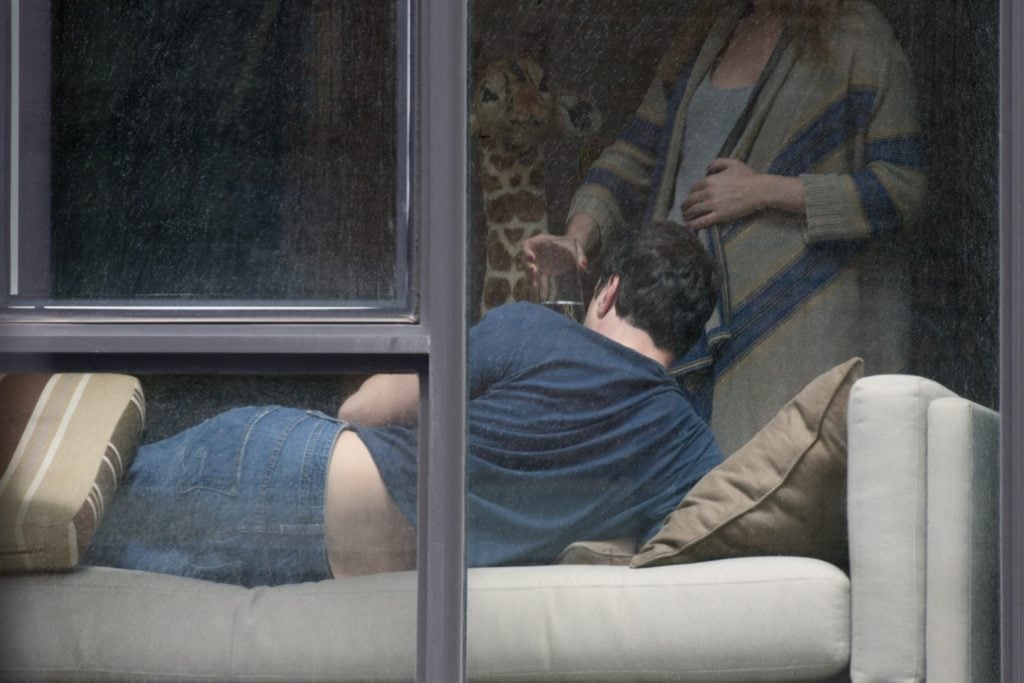
I think initially, the answers can seem really obvious. Svenson photographed real people while artists paint fictional scenes. But why are the works of people like Hopper described as ‘intimate’ and ‘romantic’ while Svenson’s work is ‘disturbing’? They show pretty much the same thing except for the small detail that one is reality while the other is fiction. Could we say the same thing about other disturbing real-life situations? What is romantic in fiction which is disturbing in real life?
Edward Hopper Exercise
I wanted to try a simple exercise to put a twist on two of Hopper’s paintings. I wanted to draw attention to the act of voyeurism within the painting by turning the hypothetical lens around and looking at the person whose perspective is used in the painting. I decided to do this because I wanted to draw attention to the act of observing these people without their knowledge. When the voyeur isn’t visible the scenes can look romantic and the focus is solely on the subjects. But as soon as you notice the person lingering in the dark and watching them, these paintings can take a sinister turn – or at least, that’s the impression I got from them.

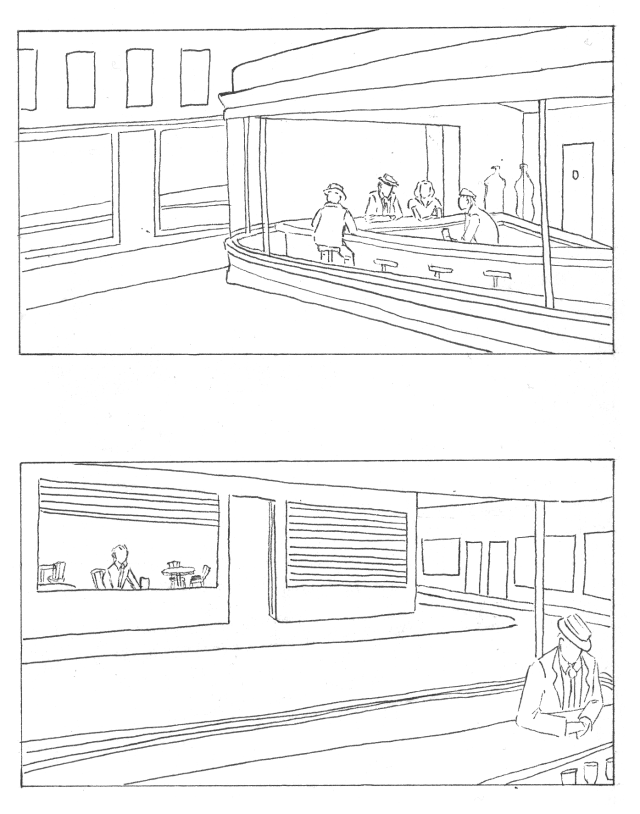
I think the painting Summer Evening is a perfect example of this concept. Here we have two young people hanging out on the porch of what we might assume is someone’s home. The only source of light is the porch light above them. This means that the voyeur is hiding in the dark. And what I find especially sinister is the fact that the voyeur is standing so close to the couple. In Nighthawks the voyeur is far away enough that they might be on the opposite side of the road, but in Summer Evening the perspective shows them to be standing only a few feet away. For me, this creates an image of a person watching the couple in close quarters, but the darkness prevents them from being seen. It feels like something out of a horror movie.

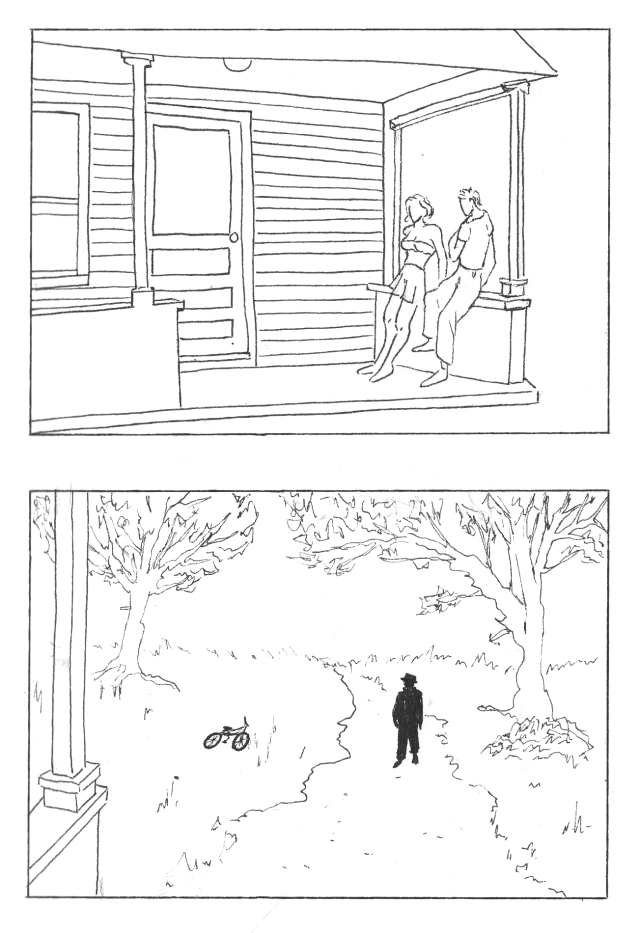
This exercise really helped me realise what I would like to do with voyeurism. I want to give other people the feeling I get when I look at these paintings. I want to pull away from looking at voyeurism as an art form and turn the lens around to face the voyeur. If possible, I would want to actually turn the lens on the audience. I would want them to really think about what it means to observe another person and what it is that the subjects of voyeurism might see. I want to take what is the romantic and fictional voyeurism and bring it into the disturbing reality.
 alicia hempsted