My logic for using mirrors was to confirm the mutual physical existence of voyeur and subject within the same space, so moving on I tried to explore alternative logic. I came across British Empiricism when I was looking up philosophical arguments on proof of existence and it provided me with the argument that the firm and only confirmation for physical existence is through sensory experience. Applying that logic to my illustrations, touch seemed like the most obvious sense to explore first as I was already part way through my experimentation with interactive illustration.
When I thought on different interactive illustrations that can be physically experienced pop-up books came to mind, and I thought of it as a natural progression after my paper diorama. I liked the idea of subverting expectations and having a bit of tongue-in-cheek fun with voyeuristic pop-ups.
Kelly Anderson’s book This Book Is A Planetarium showed me the capabilities of paper engineering and how interaction can mean more than just lifting a flap or pulling a lever. The book contains a planetarium, a decoder, a fully working instrument and more all made out of paper. It inspired me to think about all of the different ways I could offer an interactive experience using my illustrations.


I don’t have much experience with paper engineering aside from some basic techniques, so I decided not to dive into attempting to create something phenomenal. I wanted to get my ideas in order first, so I started with a few simple interactive pop-ups. I needed to figure out what I hoped people would get from my pop-ups. As much as I want people to have fun with them, I want them to get something more out of them that’s relevant to what I’m trying to say with my project.
I knew that I wanted to begin my tests by trying to subvert people’s expectations of pop-ups. They’re normally associated with childhood and learning. Interacting with pop-ups usually gives children a reward and an element of control. So, I decided to instead give people a ‘punishment’ for interacting with my pop-ups and infer that they were wrong to take control.
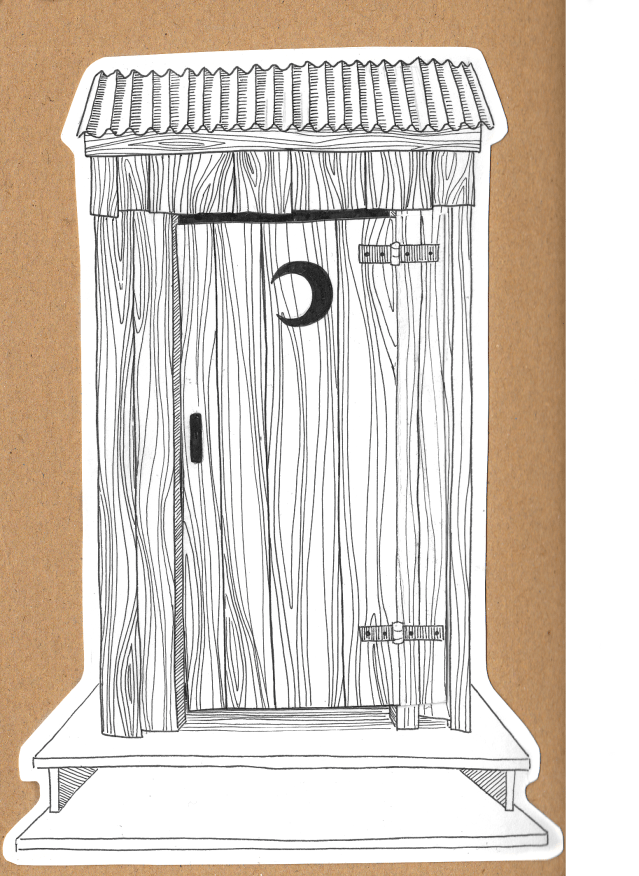
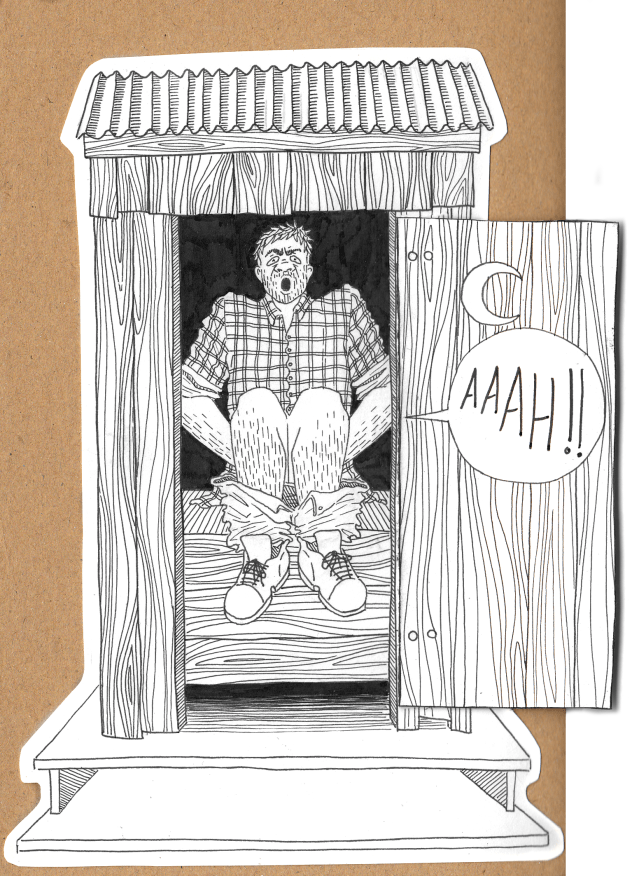
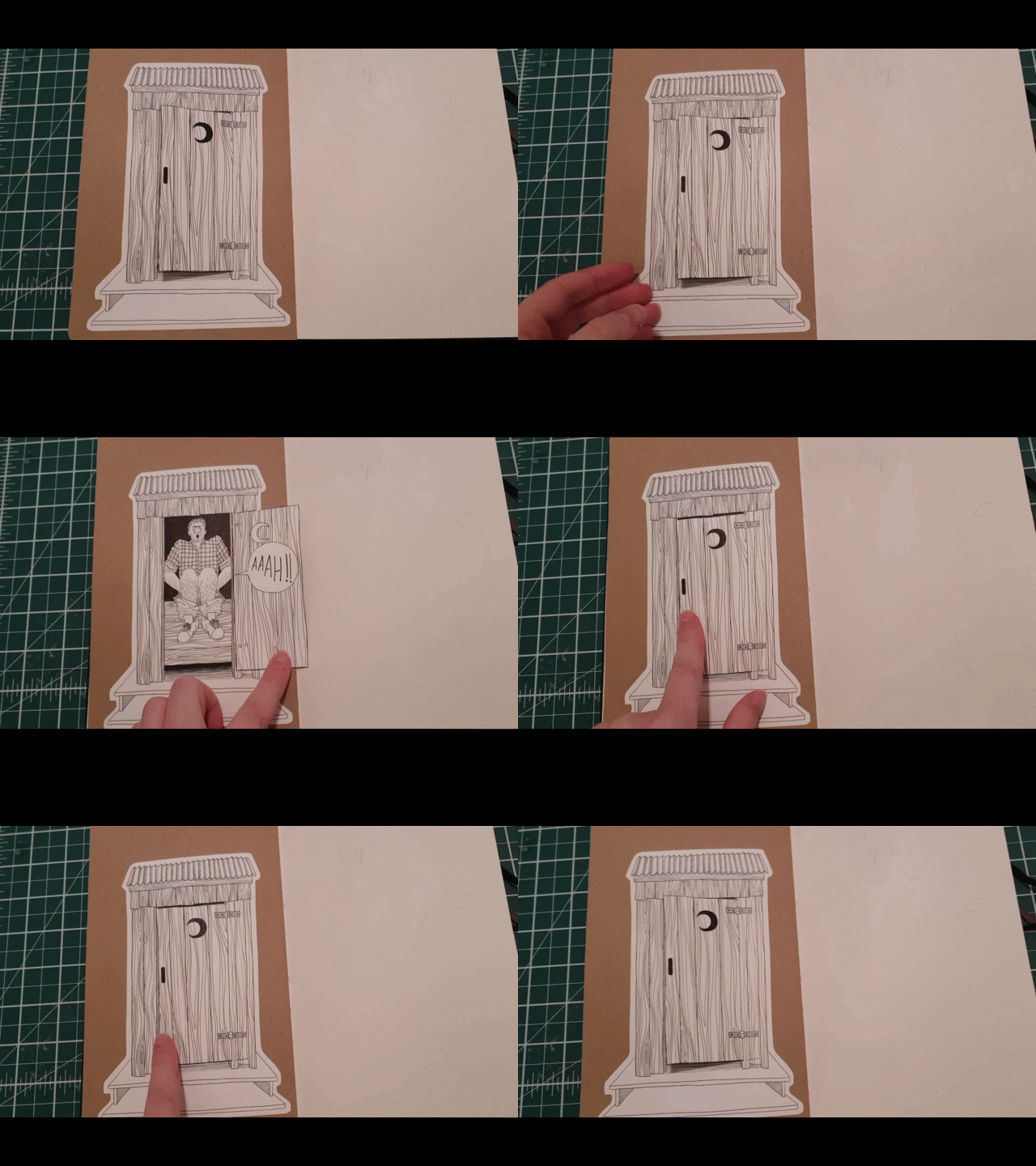
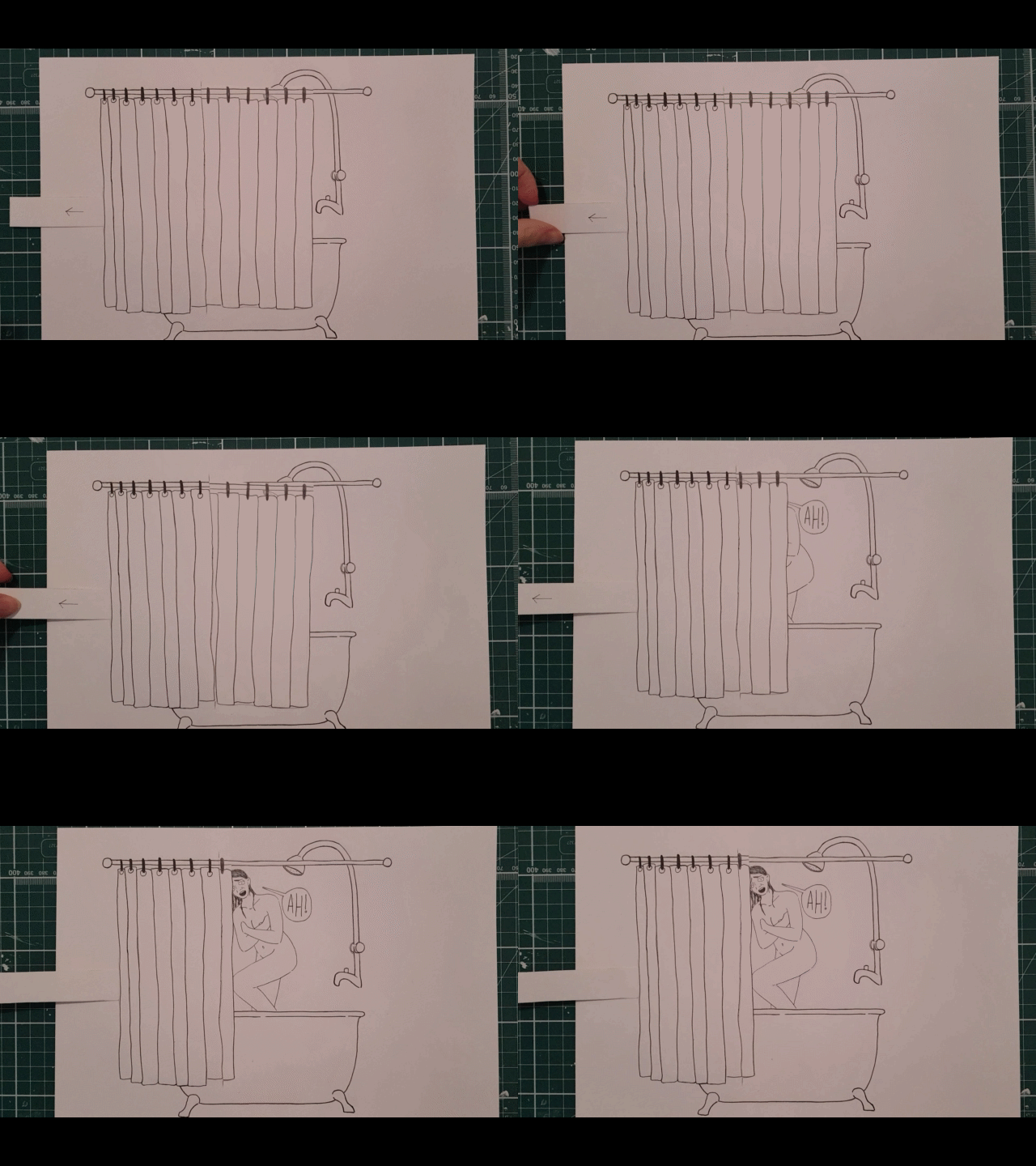
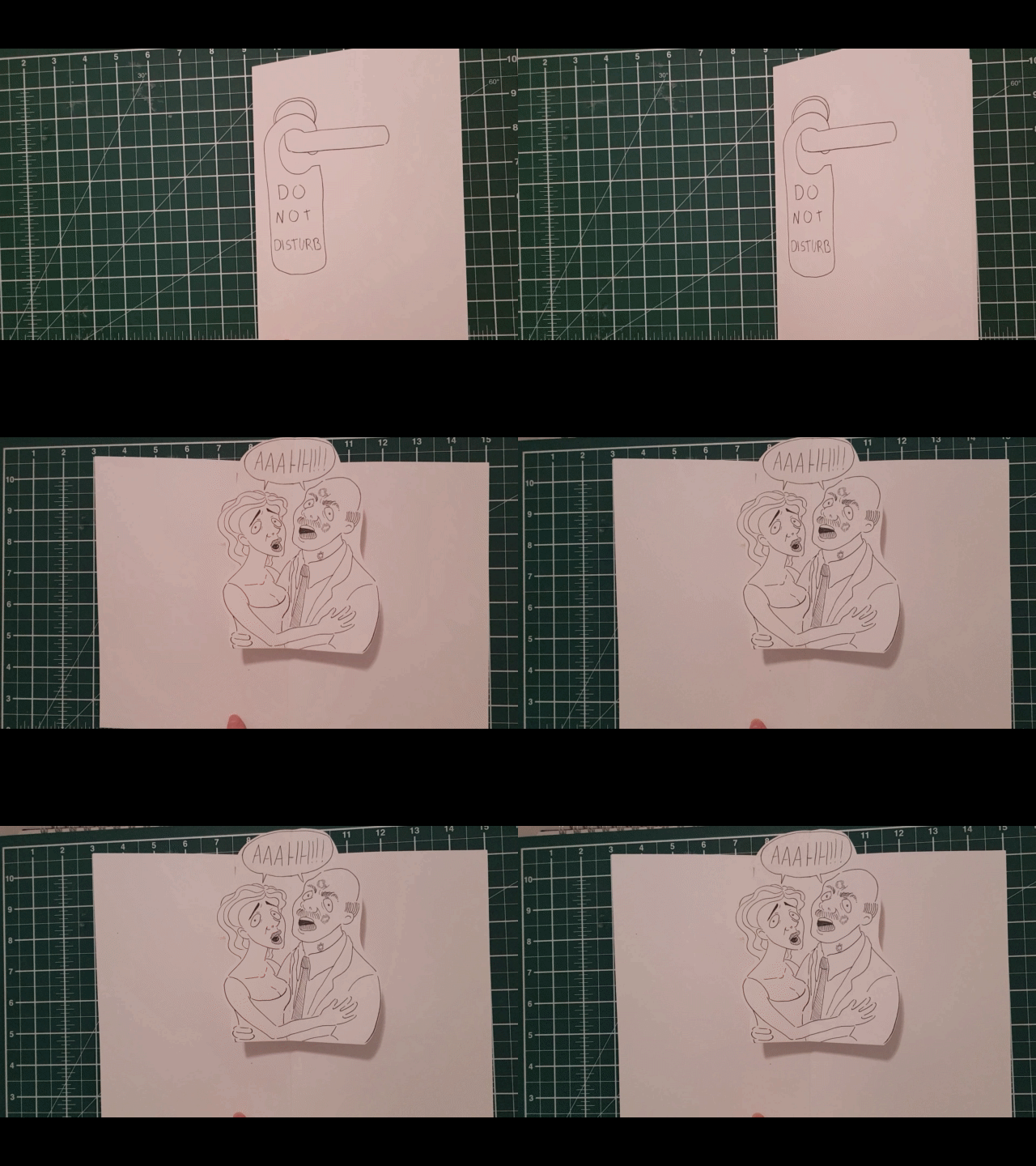
I think an invasion of privacy best communicates what I’m trying to do. I like the idea of making the ‘cover’ of the pop-ups really obvious when implying what’s inside. People could probably already tell at first glance what they might discover when interacting with the illustration. But they would pull the lever and flip the flap anyway because they’re compelled to; because they’re experiences with pop-up books in childhood have taught them that something fun will happen.
While I like how my pop-ups turned out, I know that they’re not exactly what I want. I like what I tried to do with them, but I want to steer away of trying to make dirty jokes. I don’t want it to be all serious, but I want it to be a little bit serious.


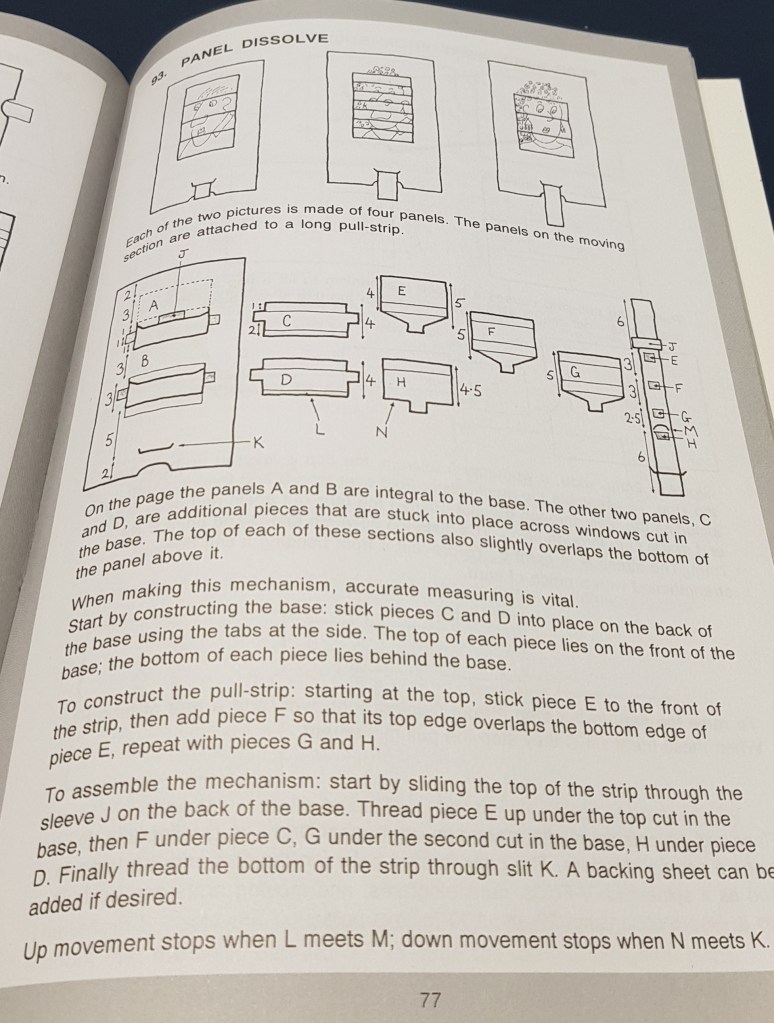

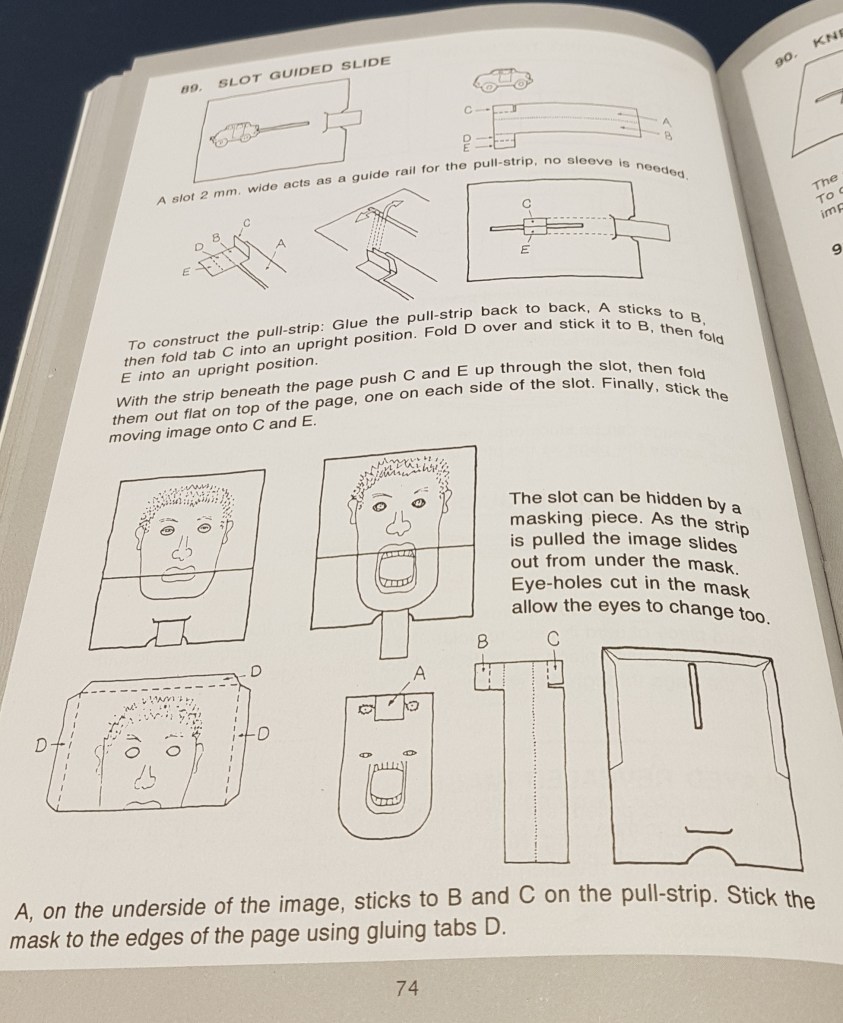
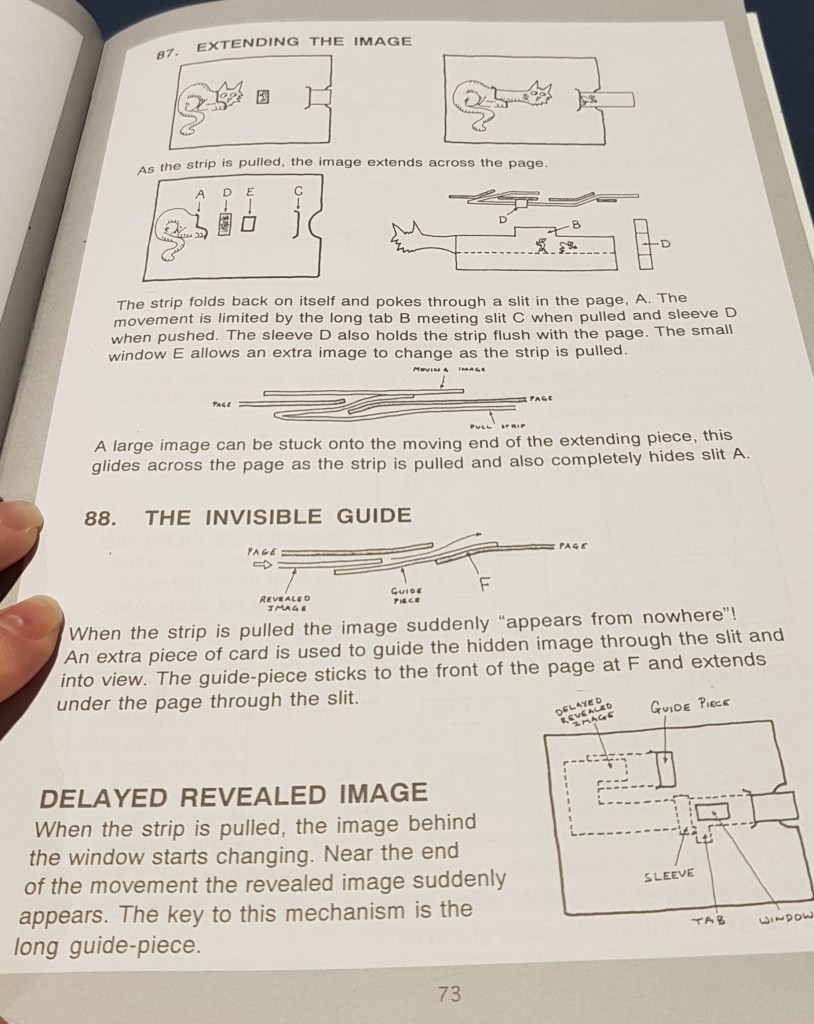
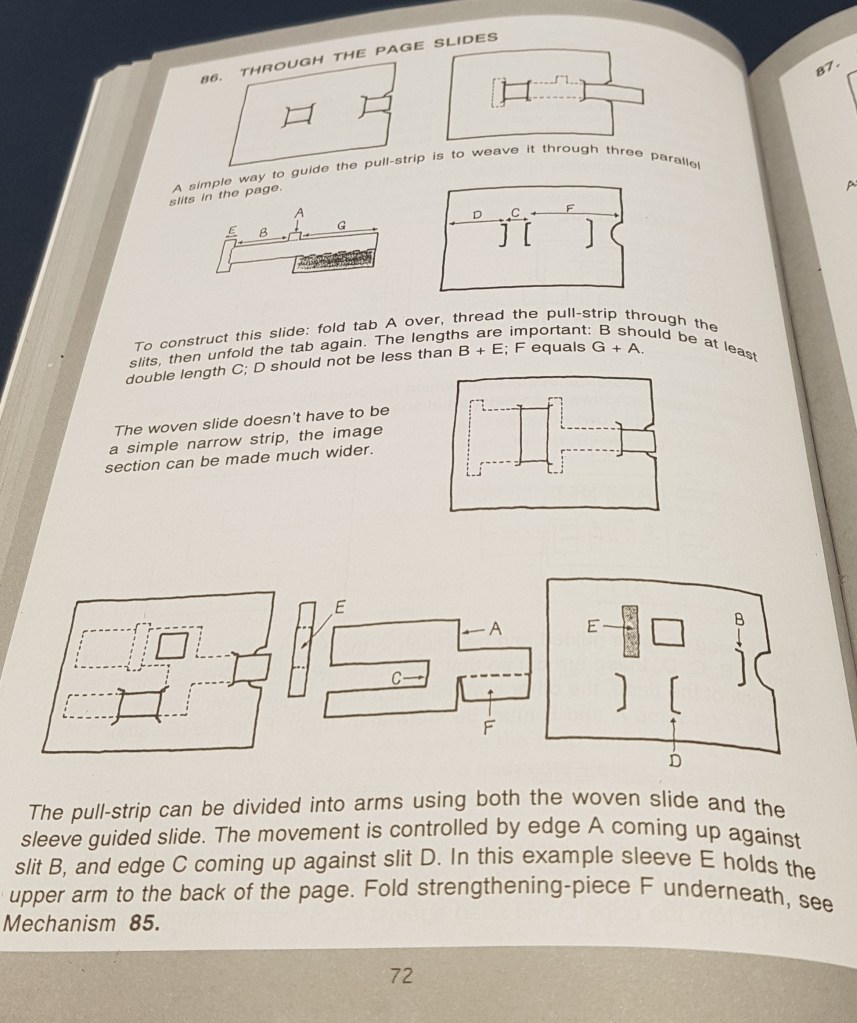

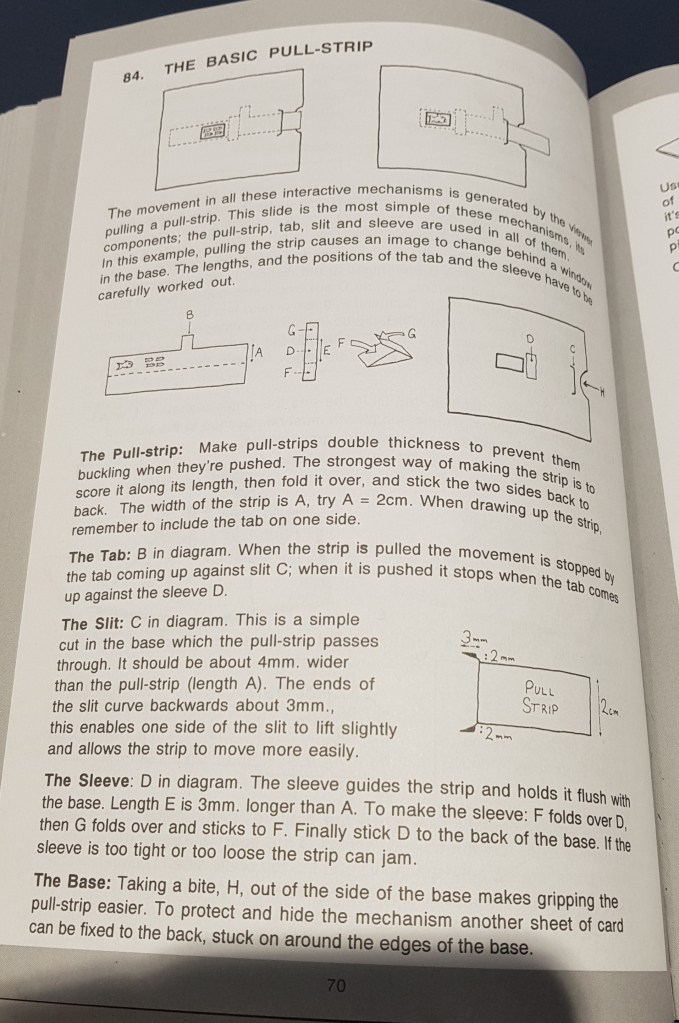
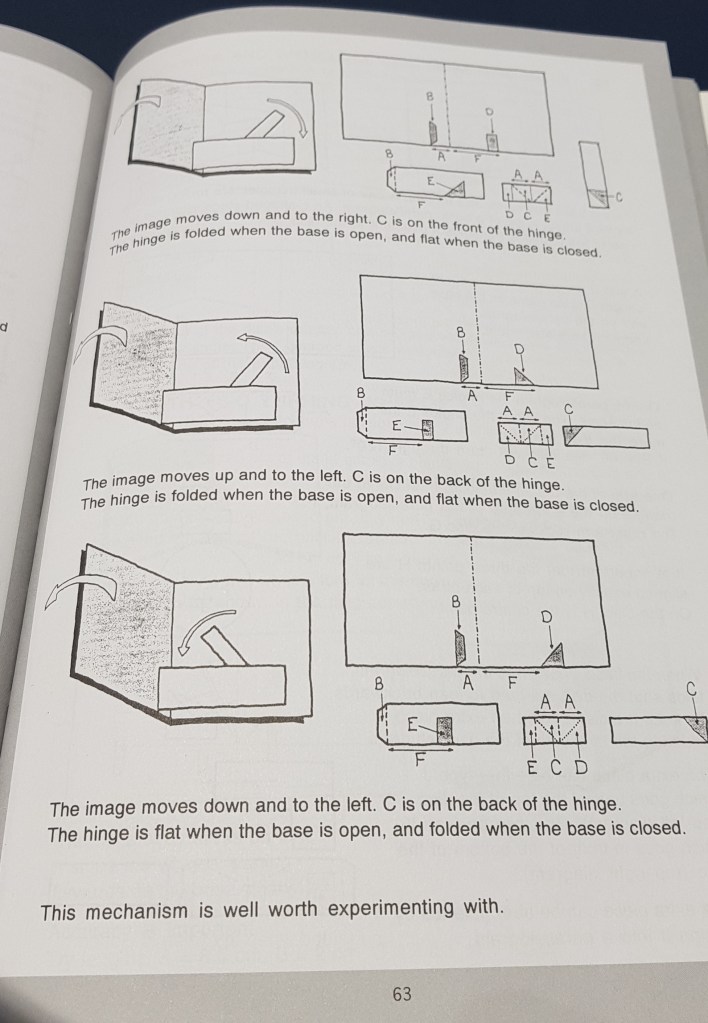


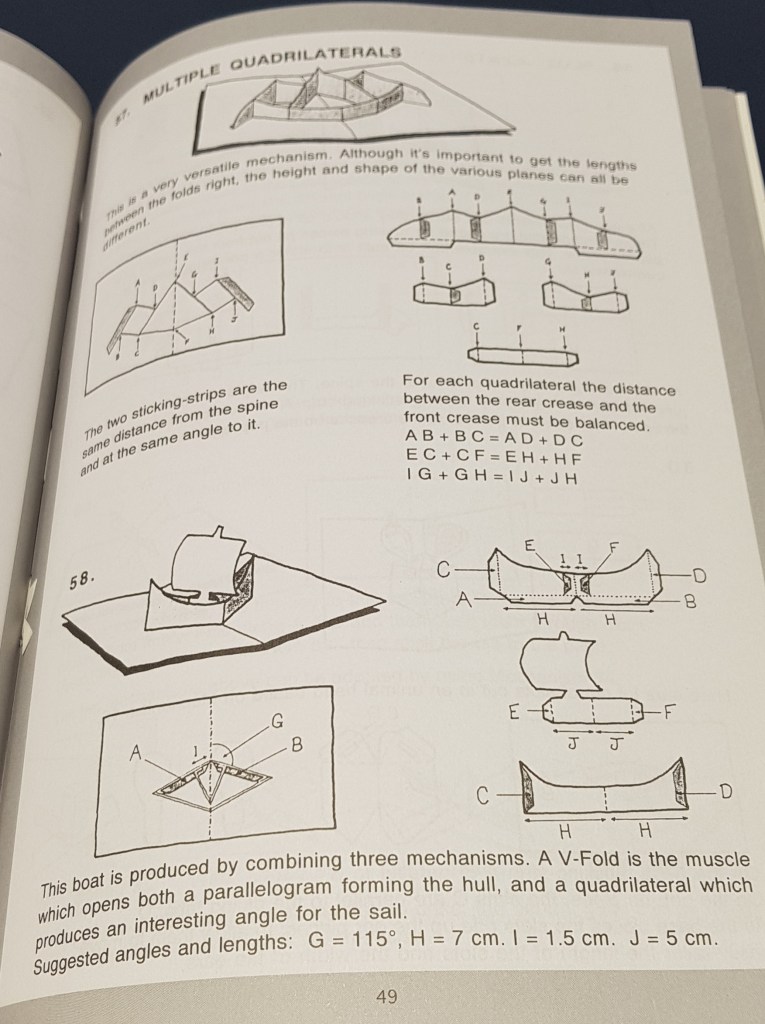
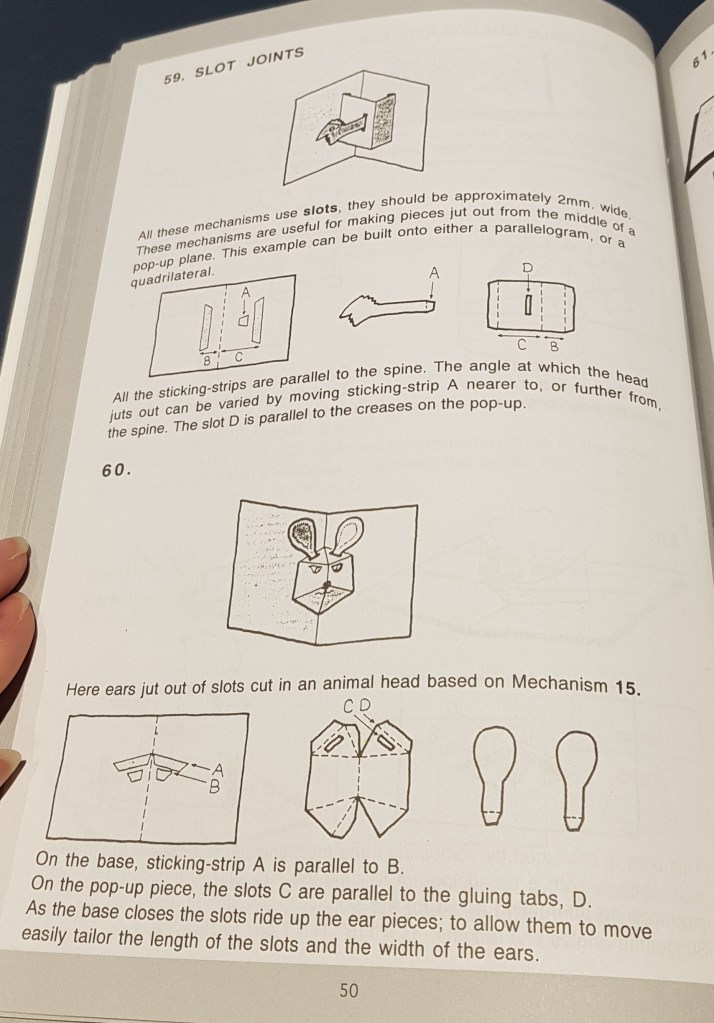
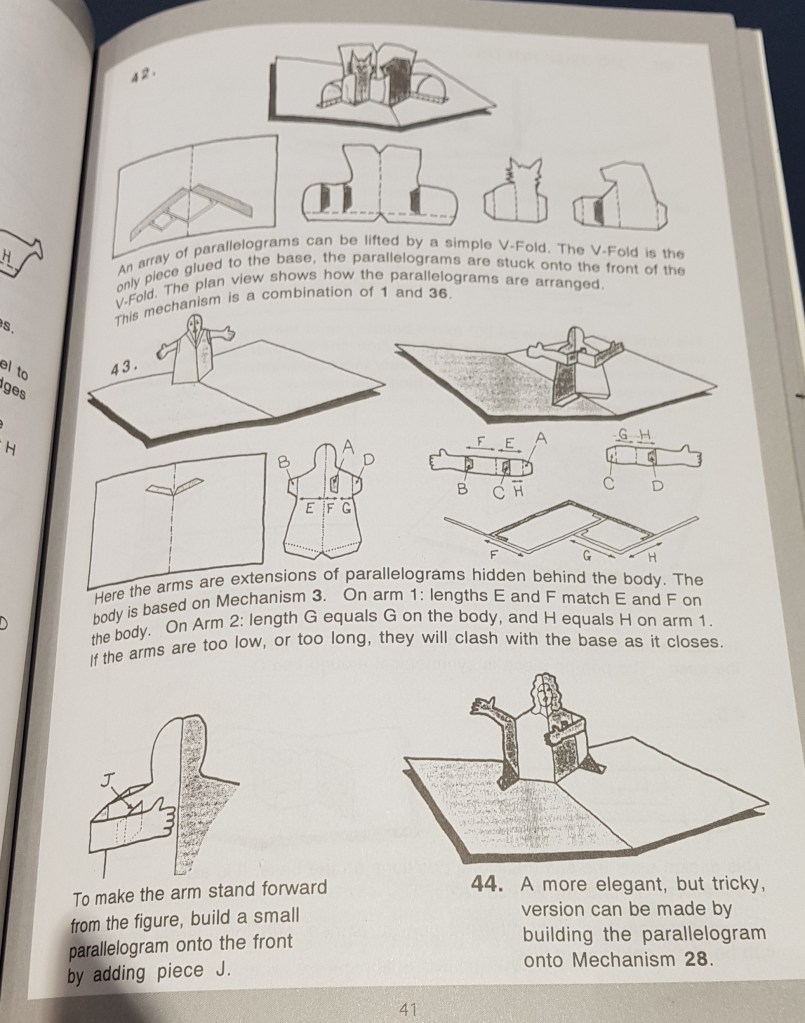


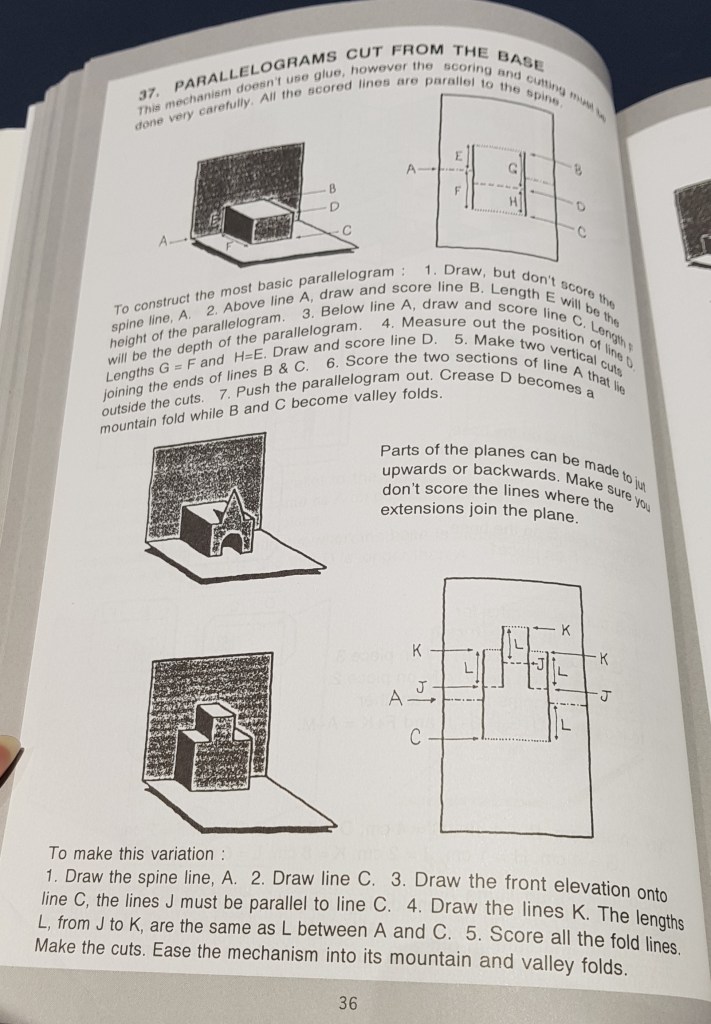

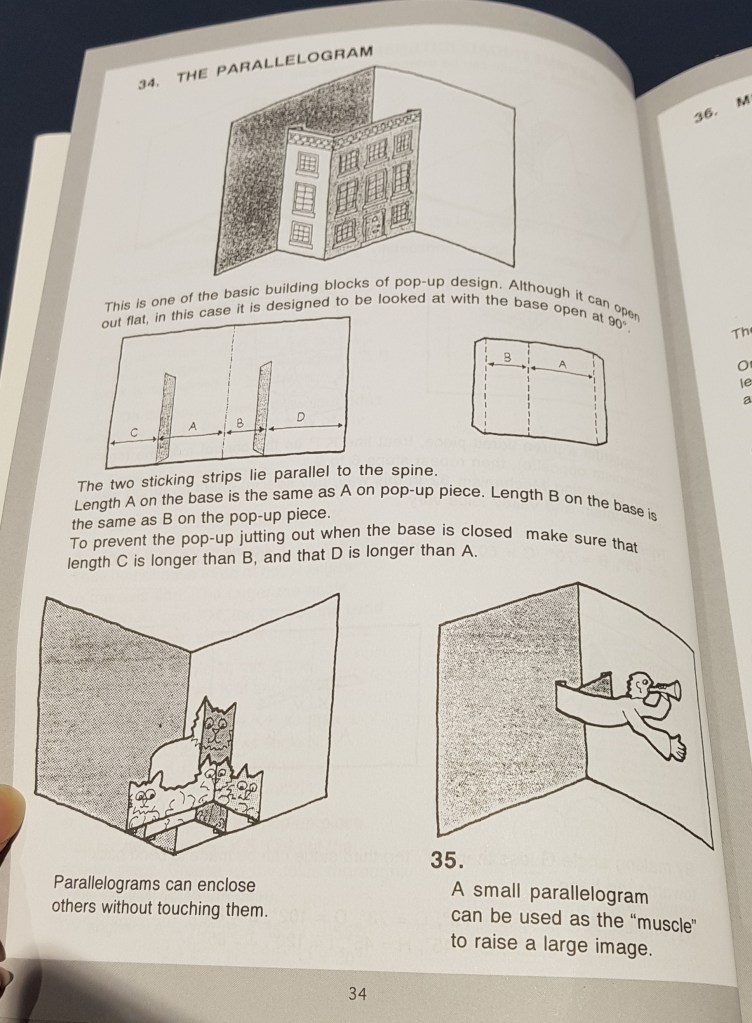
Right now, I am very much interested in exploring more complex kinds of pop-ups, and perhaps even executing them on a larger scale to enhance the sensory experience of interacting with them. If I’m seriously dedicated to the ideas of the empiricists, I think I might consider adding other sensory experiences to these illustrations, such as sounds. I’m imagining one of those obnoxious birthday cards that makes music when you open it, but I think there are more tasteful ways of doing this. The paper engineered instrument in Kelly Anderson’s book is a perfect example of how I might combine paper engineering with sound.
 alicia hempsted